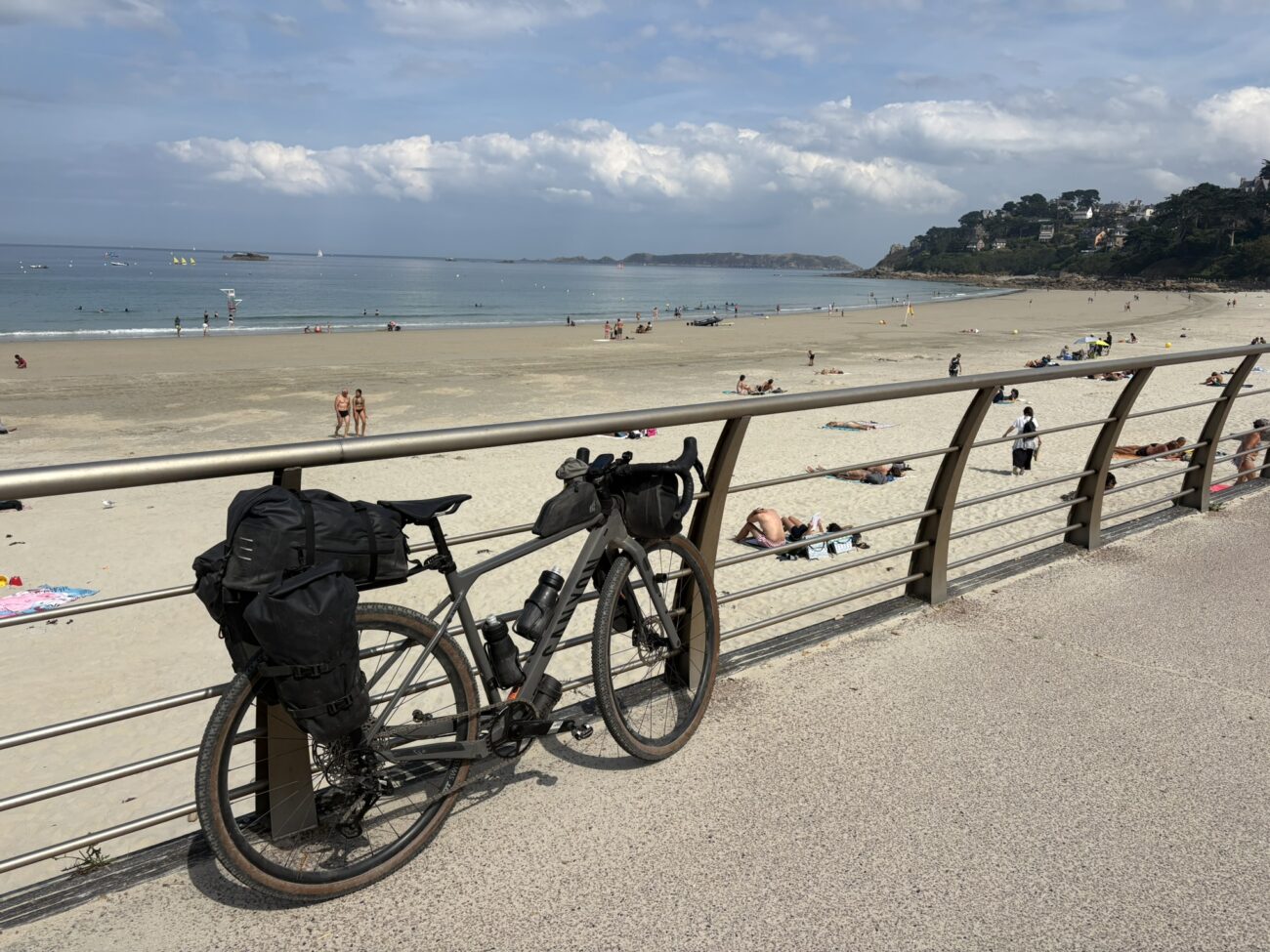
Words and 📷: Ross Tan
Living on the south coast of England has many benefits, but nothing beats the convenience of hopping on a channel ferry with a bike. In late August, I boarded the overnight crossing from Portsmouth to St-Malo for a week of bikepacking through Brittany.
Brittany is one of the six Celtic nations with a cultural identity distinct to the rest of France. Breton is the only Celtic language still used on the European mainland. Brittany is Bretagne in French, but becomes Breizh in Breton on the bilingual road signs.
My plan was to loosely follow the Vélomaritime (EuroVelo 4) cycle route by heading 300km west towards the town of Morlaix. With some help from Komoot, I was able to interperse the smooth tarmac with rugged dirt paths and stony farm tracks.
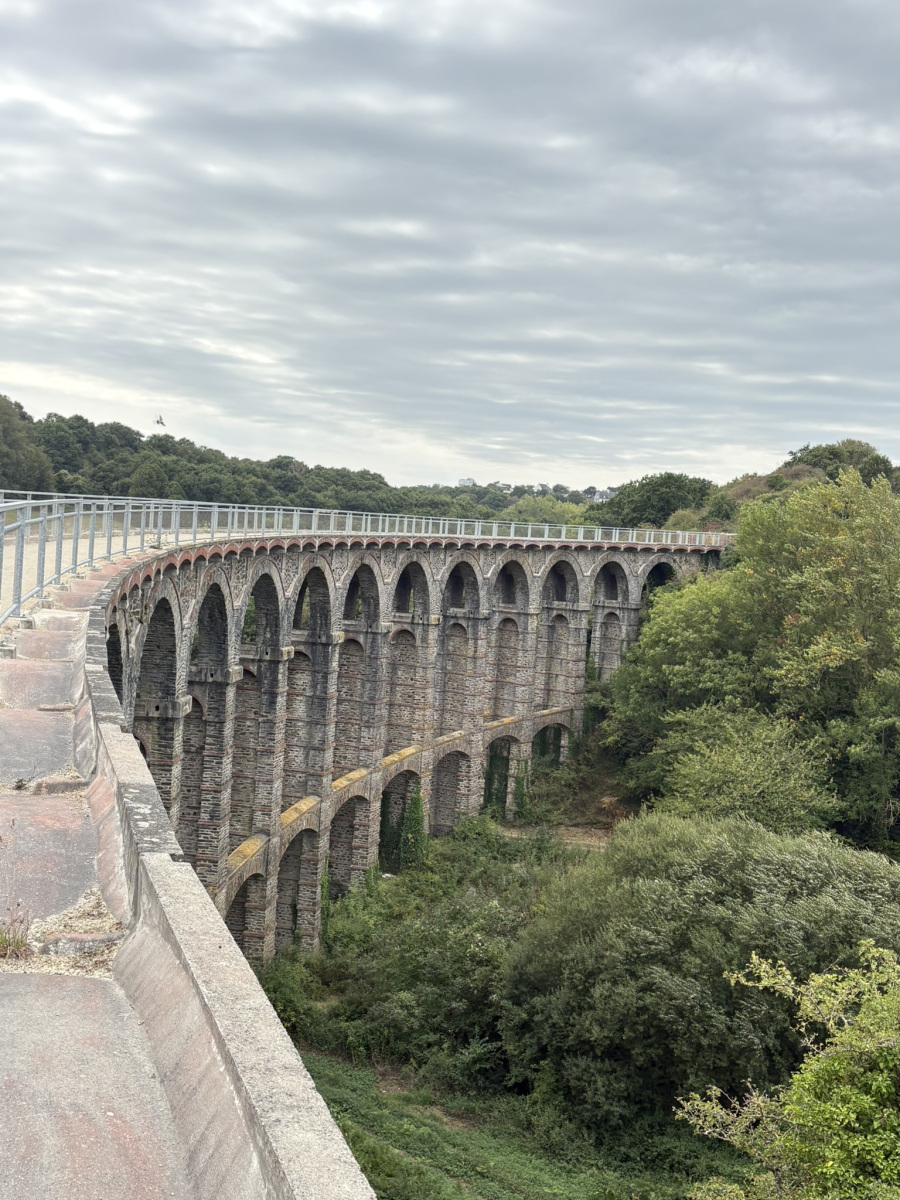
One of the highlights of this northern stretch was seeing how old railway infrastructure has been repurposed for cyclists. The towering Douvenant Viaduct on the outskirts of Saint-Brieuc, for example, has been restored to form part of the Vélomaritime route.
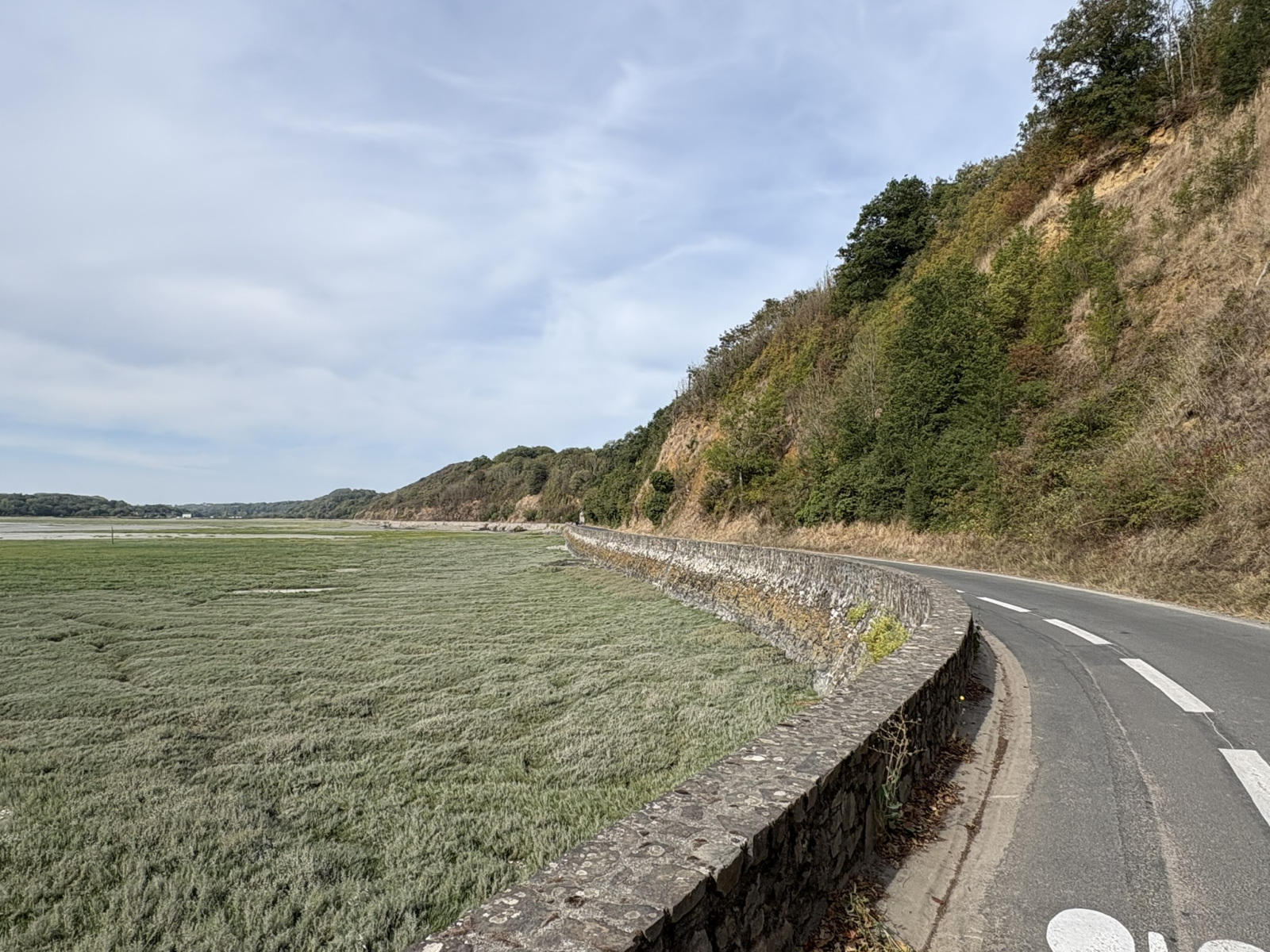
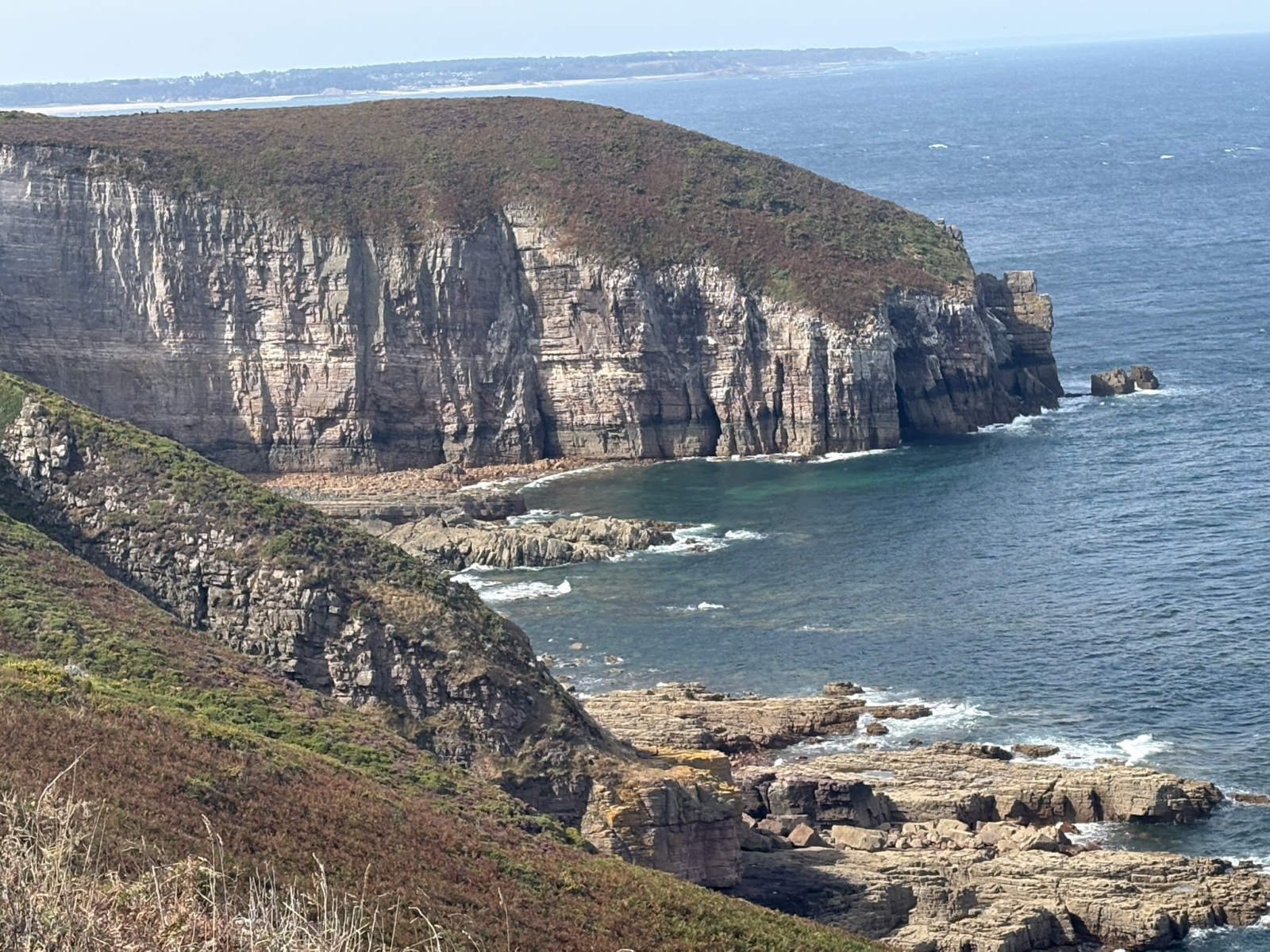
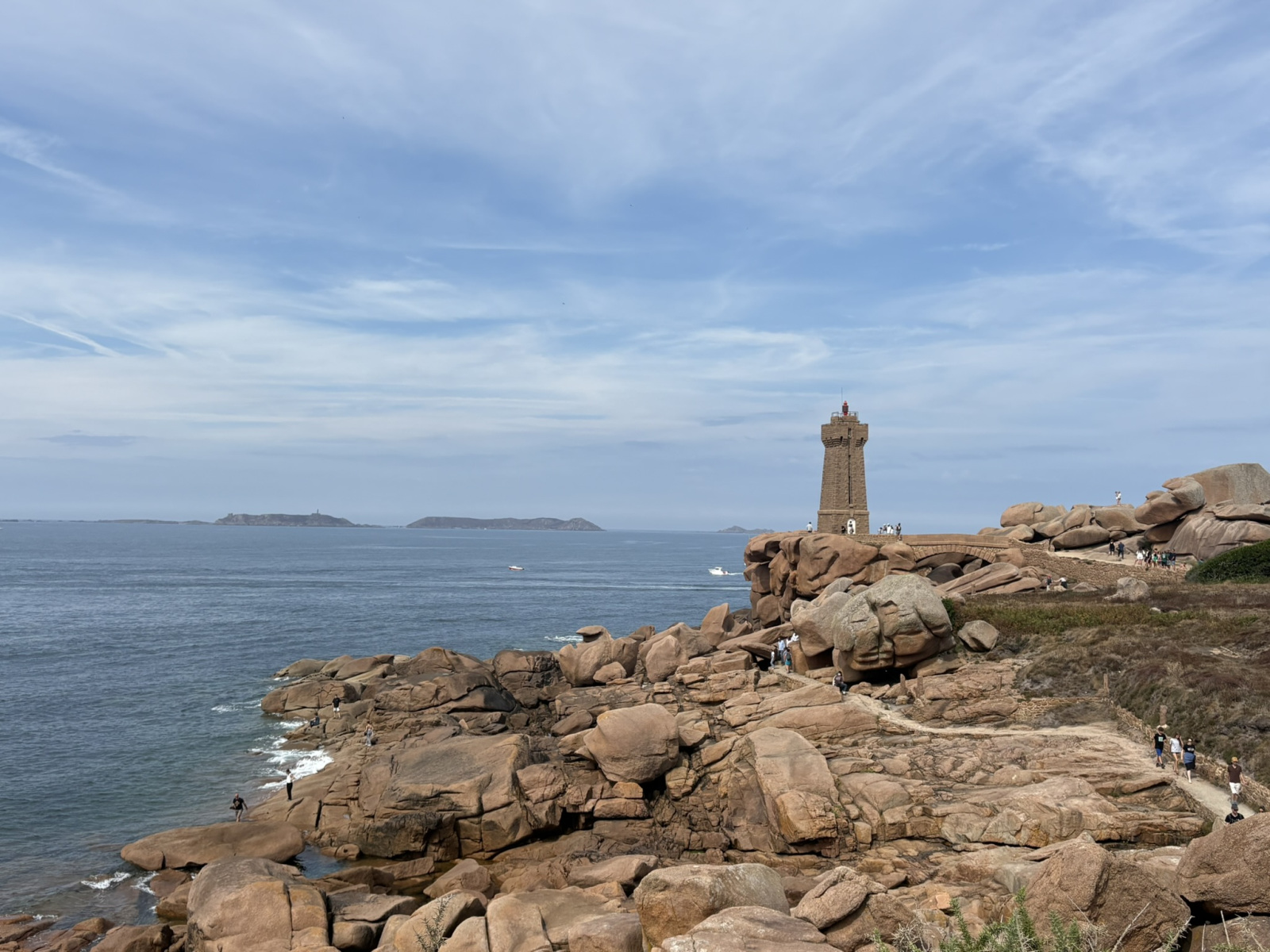
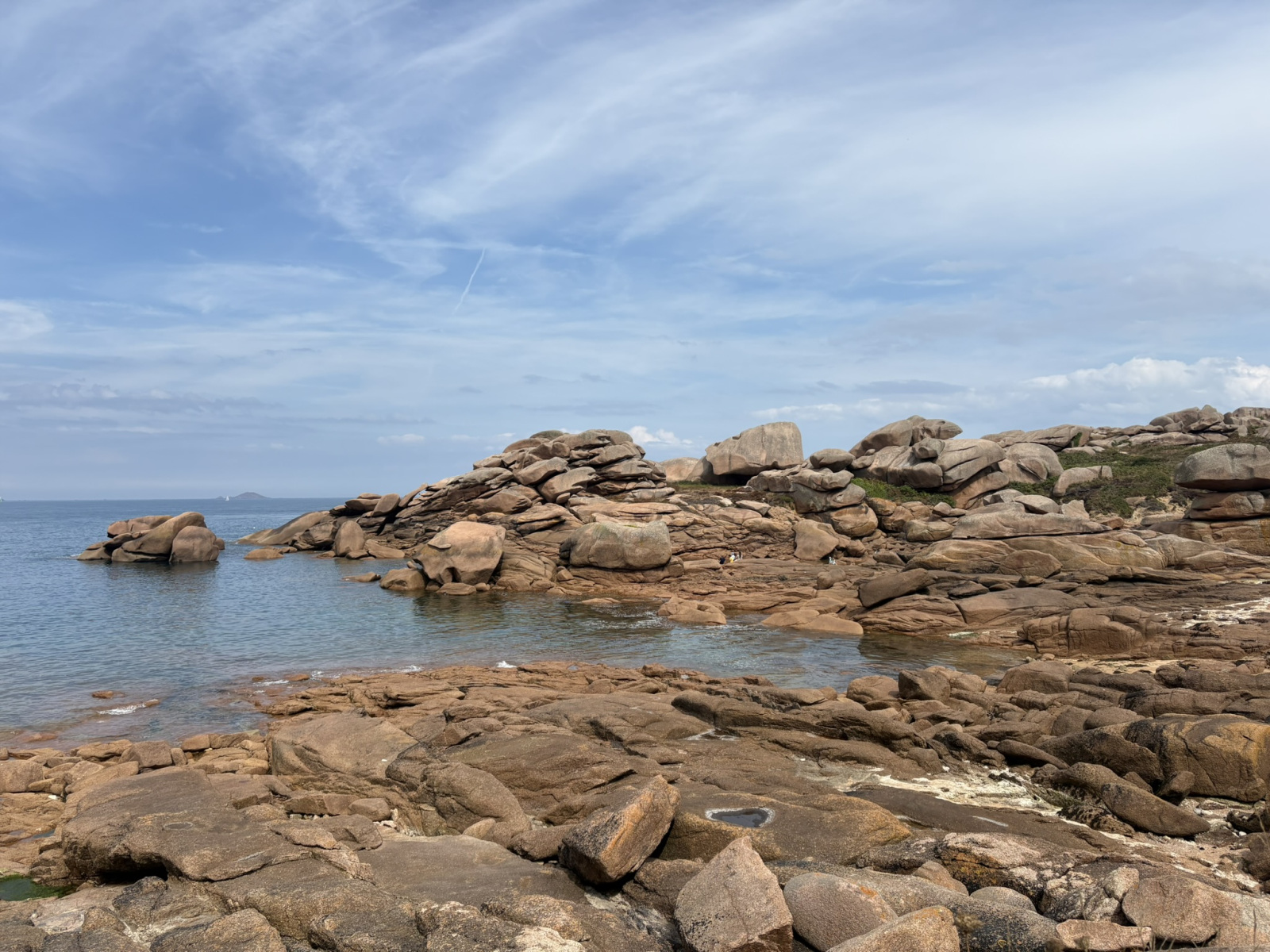
Further west, the route climbs toward Cap Fréhel, where the waves crash against heather-clad sandstone cliffs. Continuing along the coast, I pitched my tent close to the Côte de Granit Rose (Pink Granite Coast), where the famous boulders of Ploumanac’h contrast vividly against the turquoise sea. The landscape felt reminiscent of Cornwall, but on a grander scale with more space to breathe.
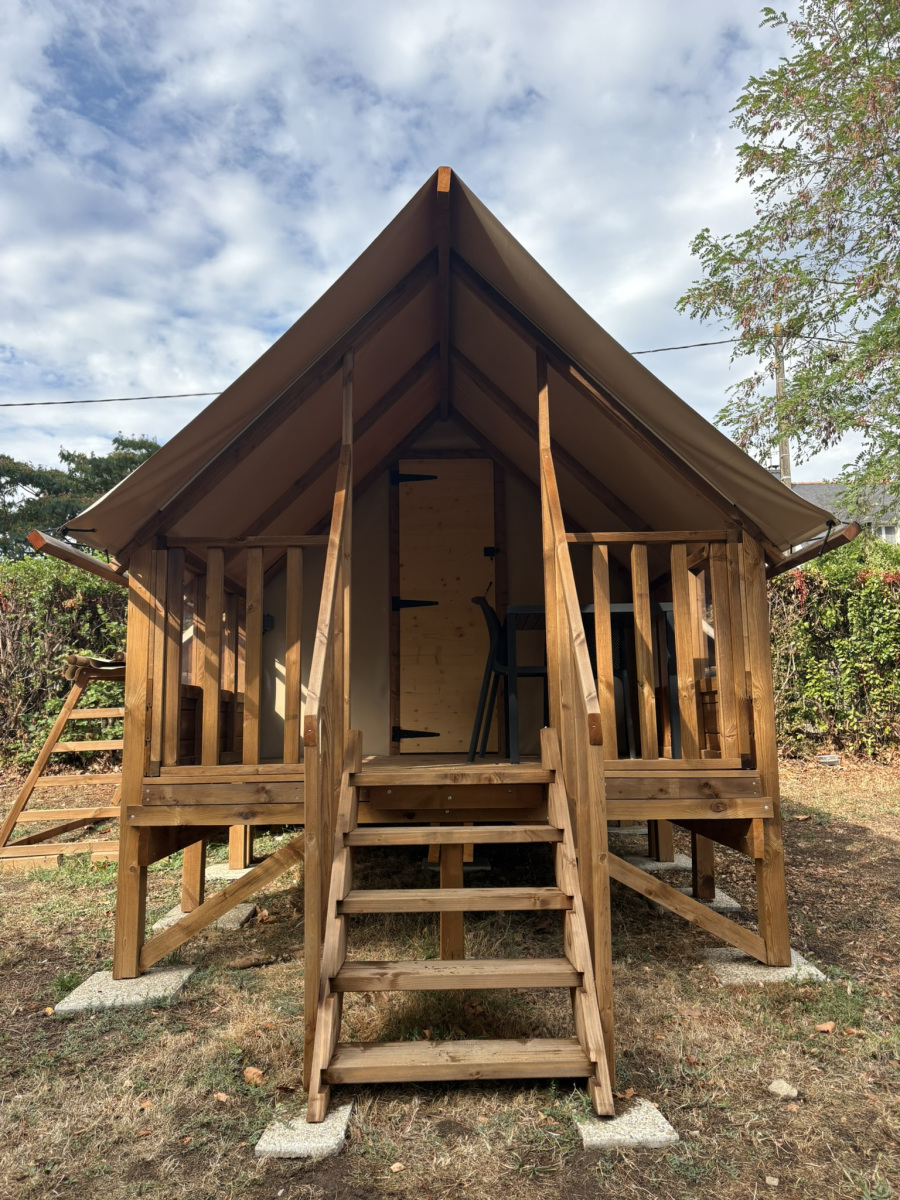
At Morlaix, I caught the train to Rennes then south to Vannes. Vannes is the gateway to the Gulf of Morbihan, an inland sea sheltering an archipelago of 40 islands. It felt like the perfect place to slow the pace. I swapped my tent for a campsite cabin, using it as a base to explore.
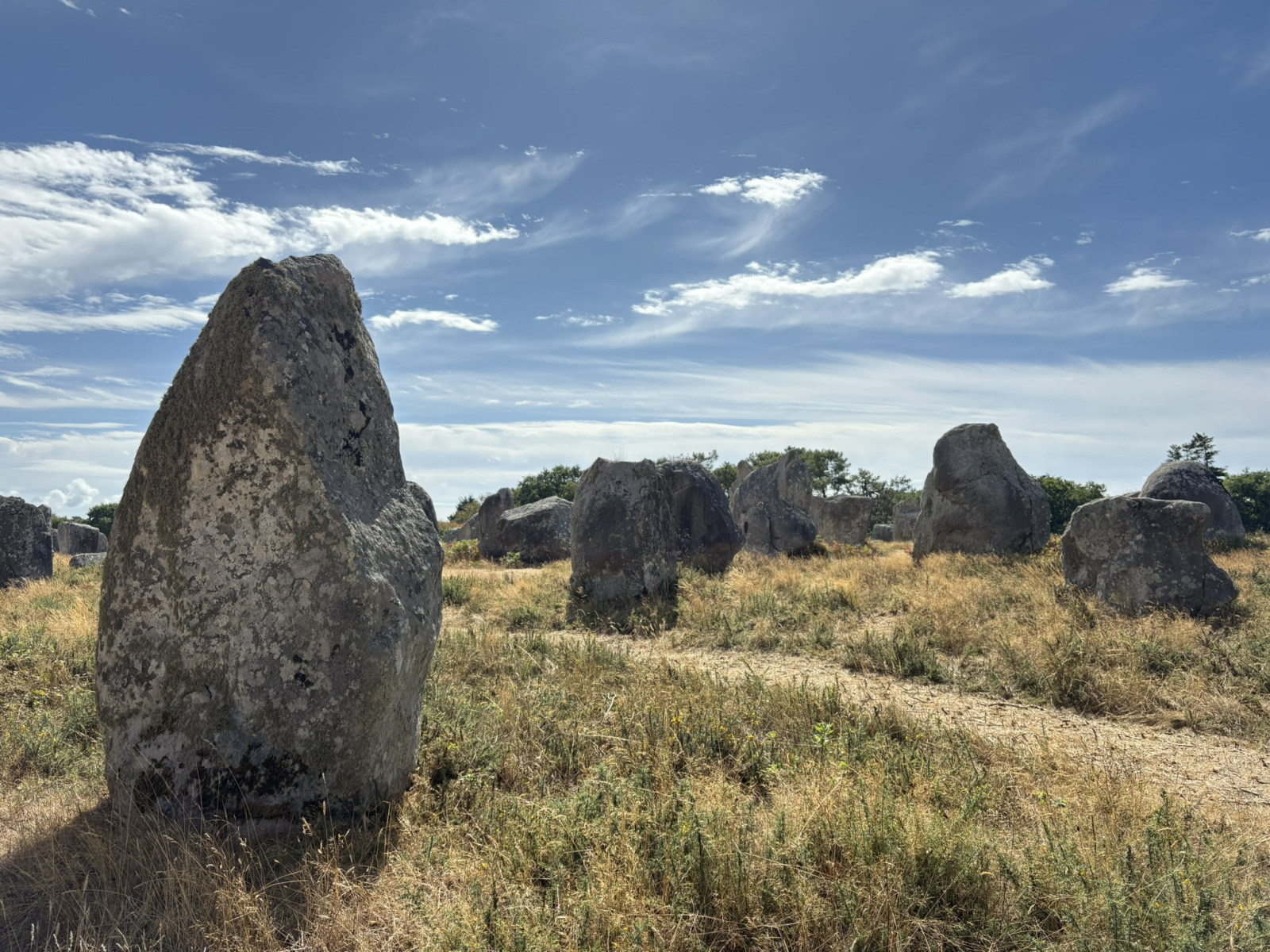
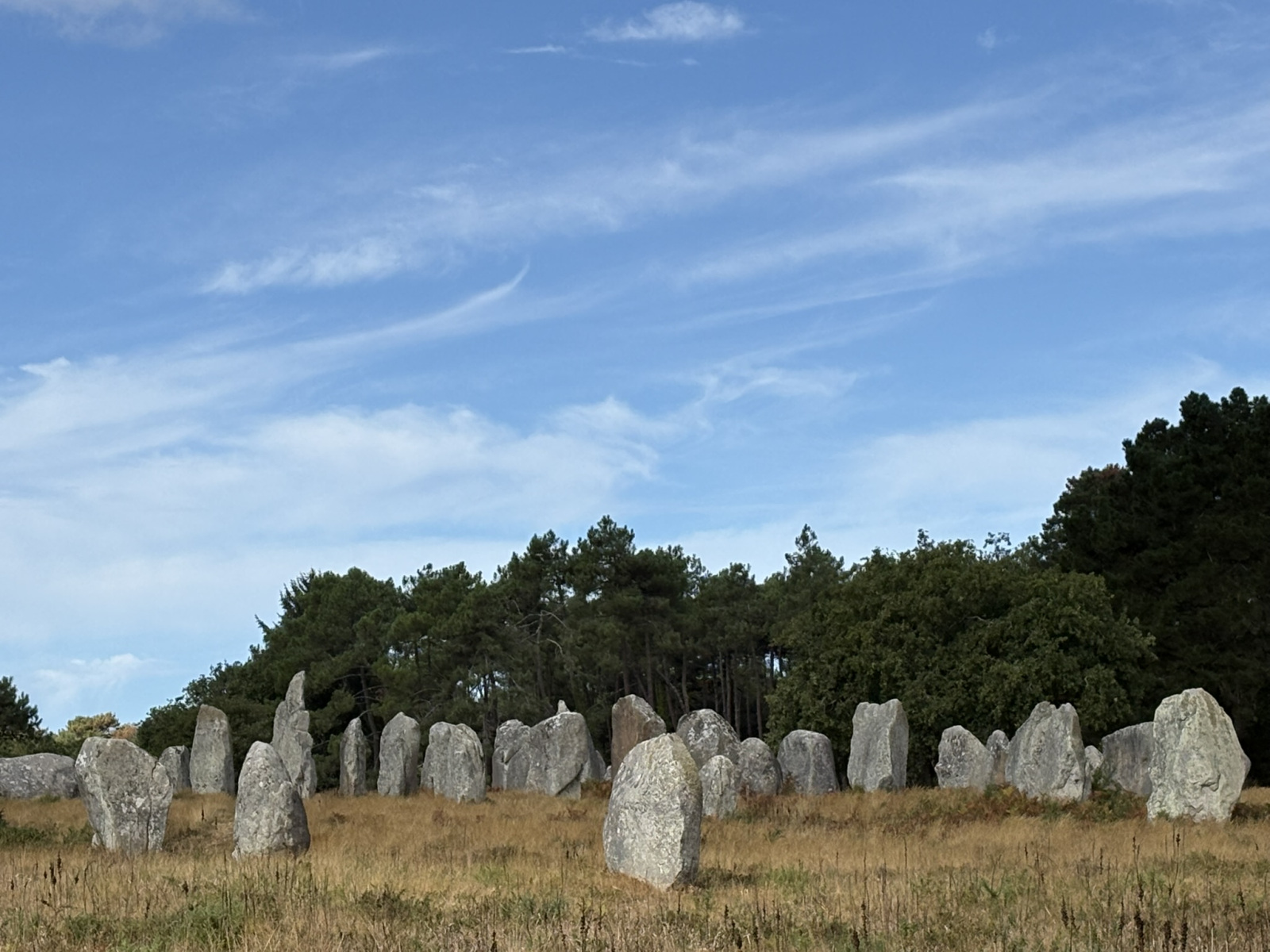
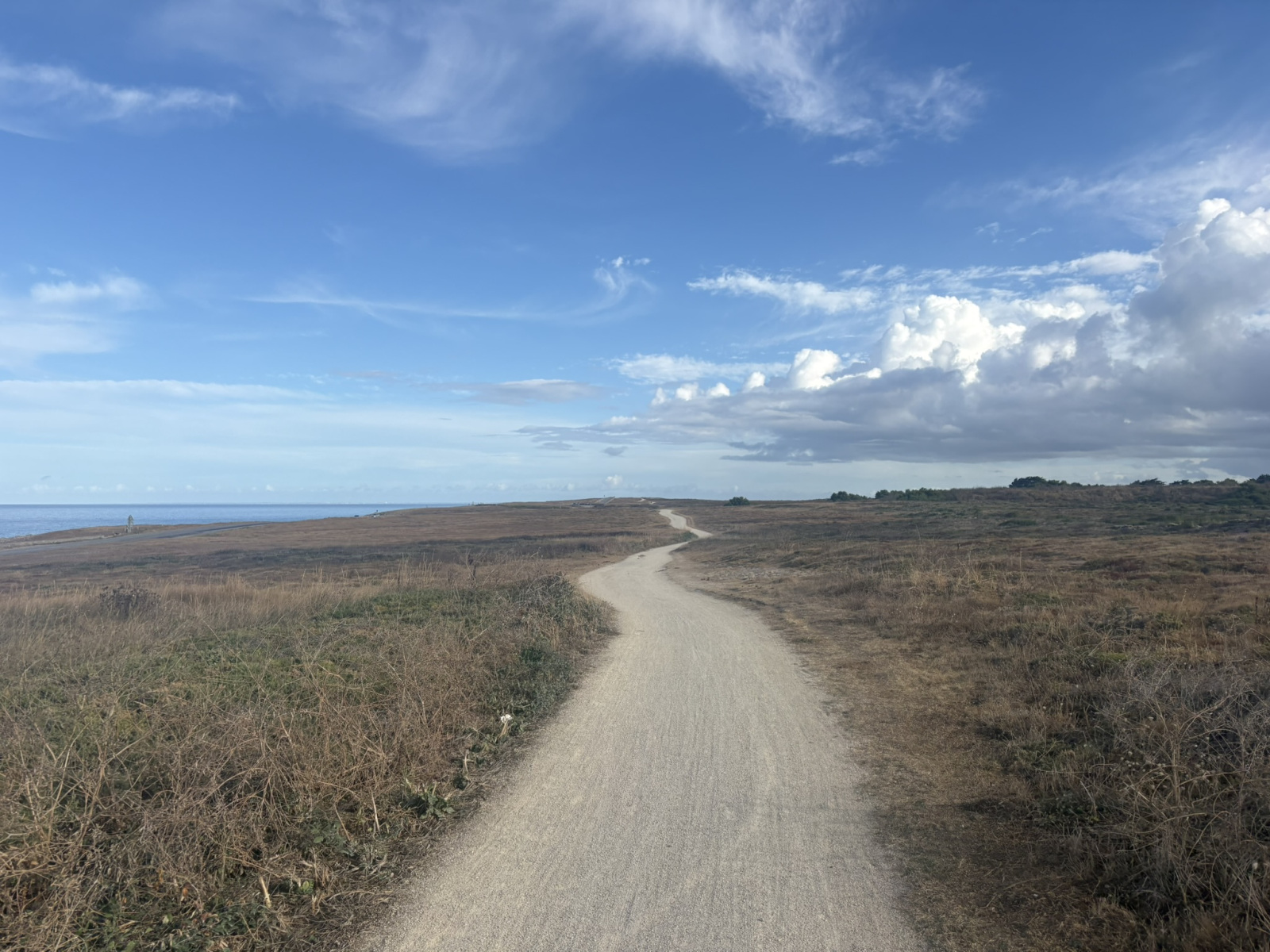
From Vannes I travelled west to the Quiberon Peninsula to tackle a cliff-top gravel track on a stretch of Atlantic coastline named the Côte Sauvage (“Wild Coast”). Here, the region’s Celtic roots are strongest and neolithic standing stones (menhirs) and burial chambers (dolmens) dot the fields. The most impressive is the Carnac Alignment, where over 3,000 stones stand in mile-long rows.
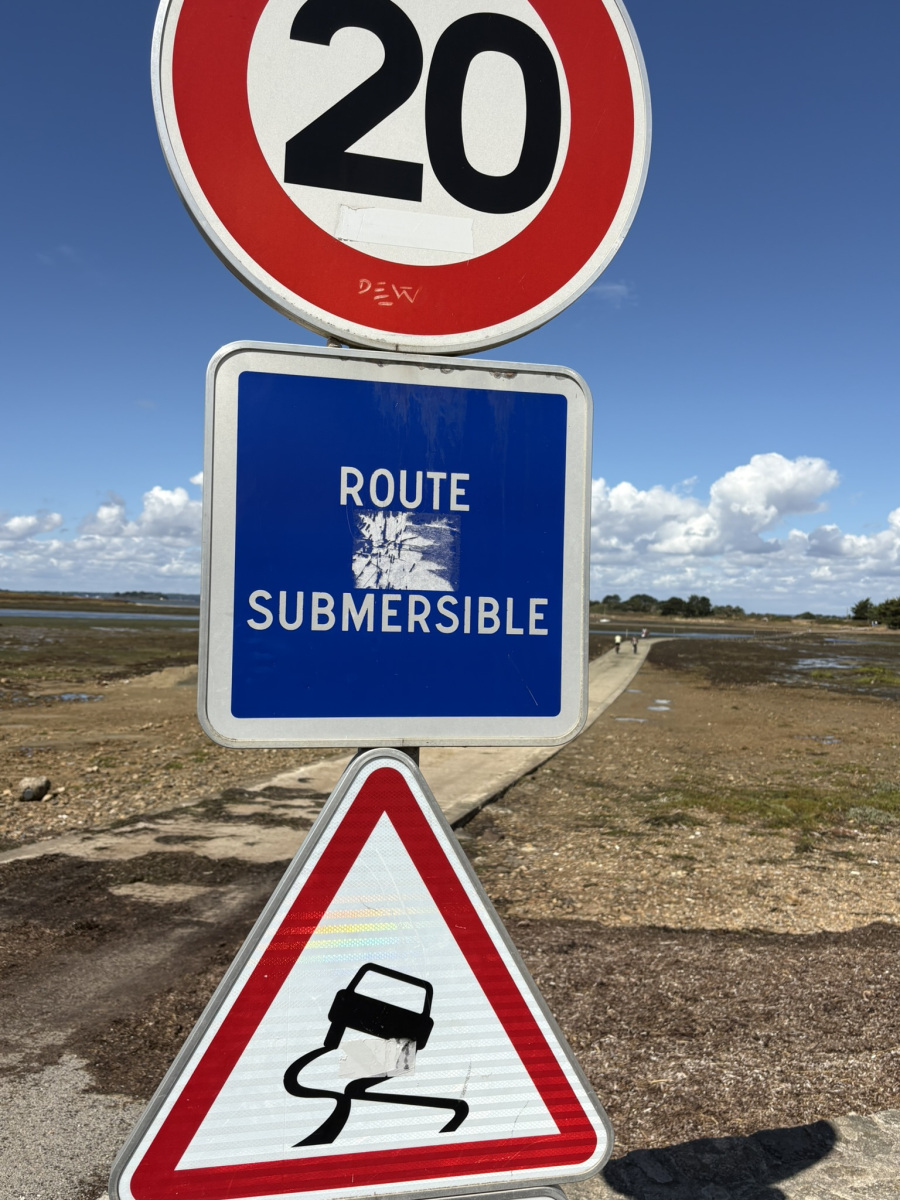
For the final day, I relied on local ferries to island-hop around the Gulf of Morbihan with my bike. The largest of these islands, Île-aux-Moines (“Island of the Monks”), is entirely car-free and ideal for exploring the hamlets and sandy beaches by bike or on foot.
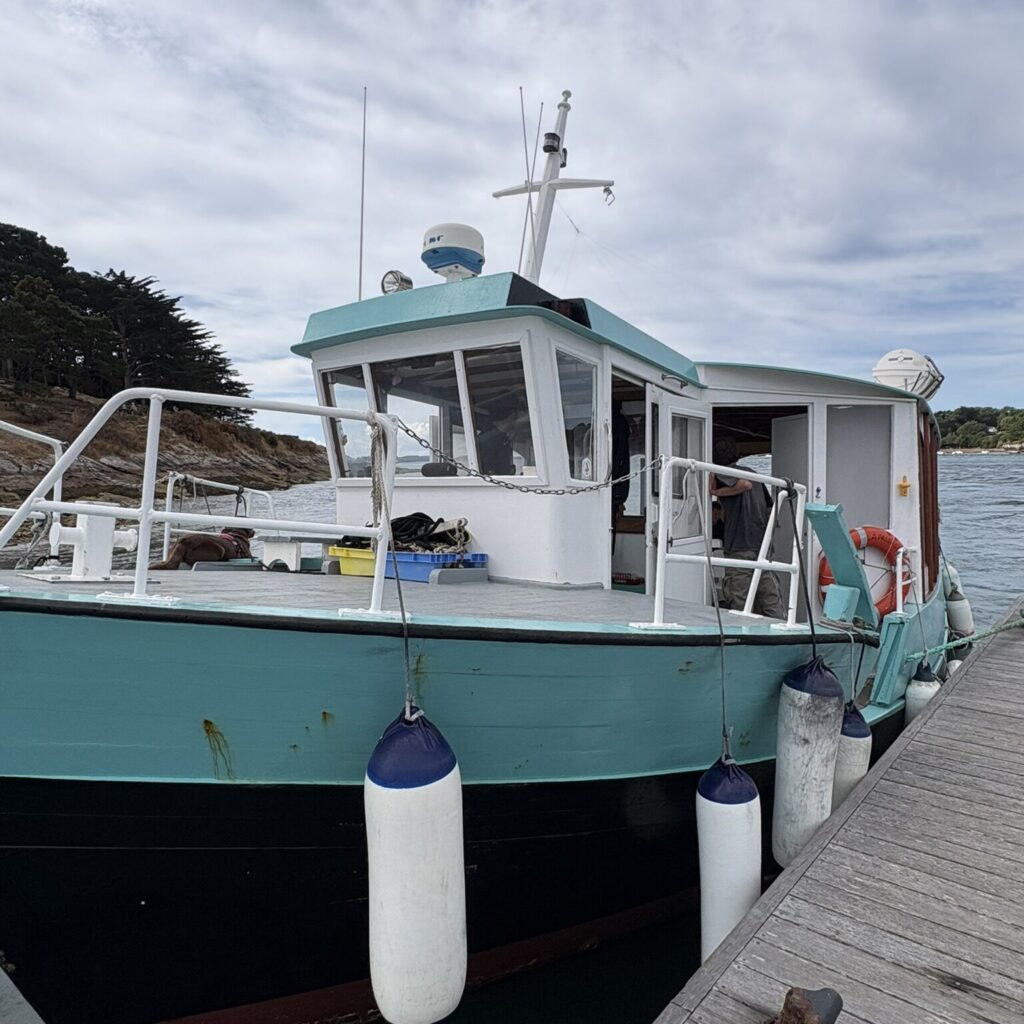
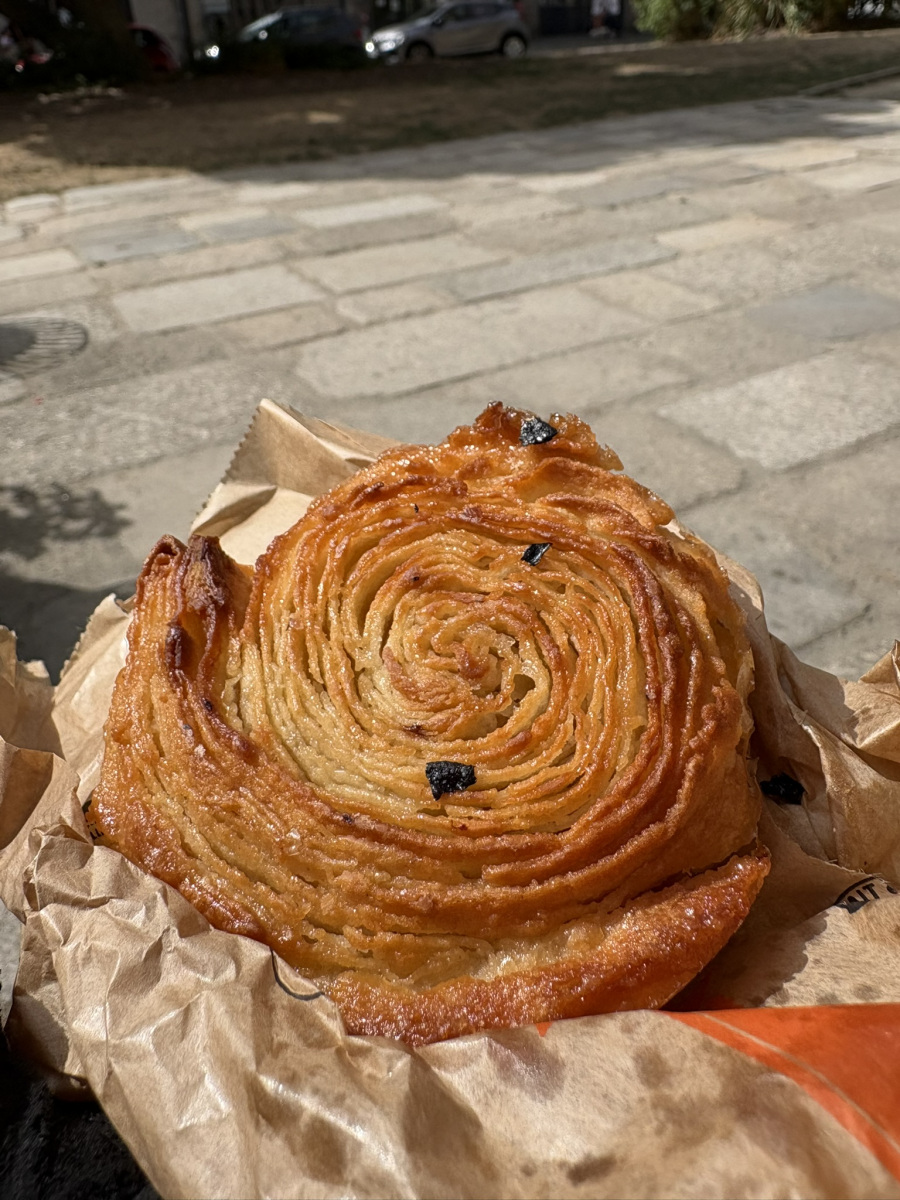
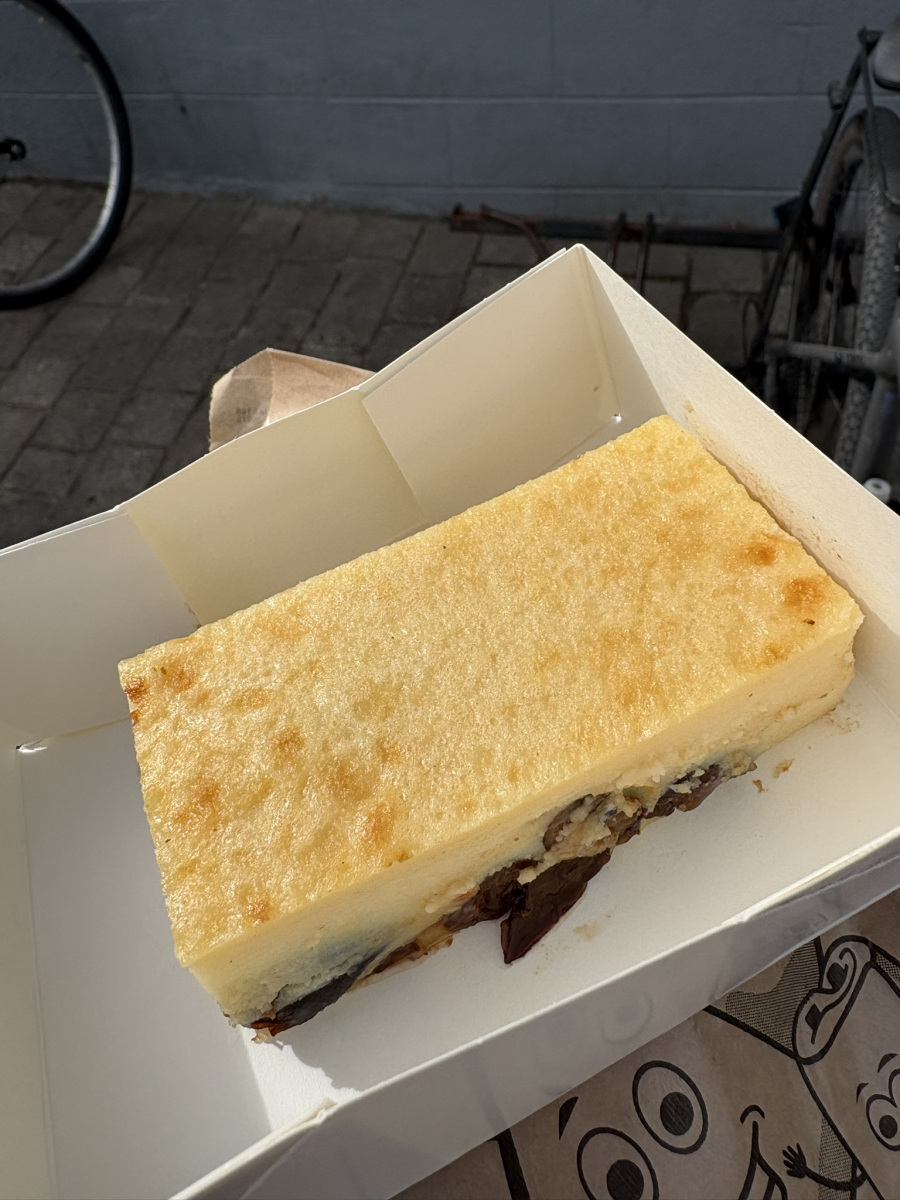
On Île-aux-Moines, I gave several traditional Breton pastries a try at the boulangerie in the centre of the island, called Les Douceurs du Golfe (“Delights of the Gulf”). I highly recommend Kouign-Amann, a flaky cake of layered butter and sugar, and Far Breton, a dense custard-like pudding with prunes.
Brittany is a great place to go bikepacking. The north coast offers punchy hills and rugged coastlines, while Gulf of Morbihan in the south offers flatter terrain and a more relaxed way of life.
Brittany is easy to access from the south of England with ferry tickets starting around £100 one-way. If you have a week to spare, give it a try and discover for yourself this Celtic corner of France.
Words and 📷: Ross Tan

Love the article and the pictures! It’s made me really want to visit this part of Brittany especially to try those local delicacies….